
🦋 Body Works Custom Compression — Compression Level Guide
What is Compression?
Compression garments work using graduated compression — meaning the pressure is strongest at the ankle and gradually decreases as it moves up the limb. This gentle gradient helps promote healthy blood flow back to the heart, reduces swelling, and relieves discomfort caused by poor circulation.
By supporting the veins and muscles, compression garments can help prevent edema (swelling), improve recovery, and keep your legs feeling energized throughout the day — whether you’re on your feet, sitting for long hours, or recovering from a medical condition.
Understanding Compression Levels
Compression levels are measured in millimeters of mercury (mmHg) — the same unit used to measure blood pressure. The higher the number, the firmer the compression.
Different compression strengths are designed for different needs, from everyday leg fatigue to medical-grade support. Below is a guide to help you understand which level may be right for you.
8–15 mmHg: Light Compression
💧 For everyday relief and light support.
This is the gentlest level of compression, ideal for energizing tired legs and improving mild circulation. Perfect for travel, daily wear, or anyone who spends long hours sitting or standing.
Benefits:
Relieves minor leg fatigue
Helps prevent mild swelling
Enhances circulation for all-day comfort
15–20 mmHg: Moderate Compression
🌿 For mild swelling and travel protection.
This level provides moderate support for mild varicose veins, minor swelling, or pregnancy-related discomfort. Great for long flights or daily wear for professionals on their feet.
Benefits:
Prevents and relieves mild edema
Reduces leg fatigue and heaviness
Helps prevent travel-related deep vein thrombosis (DVT)
20–30 mmHg: Firm Compression (Class I)
💪 The most commonly prescribed level.
This firm compression is often used to manage varicose veins, mild lymphedema, or post-surgical recovery. It’s strong enough to support vein health while still being comfortable for regular wear.
Benefits:
Reduces moderate swelling and varicose veins
Promotes healing after vein procedures
Supports active recovery and improved circulation
30–40 mmHg: Extra Firm Compression (Class II)
⚕️ For moderate to severe conditions — use under medical supervision.
This level is prescribed for advanced venous insufficiency, moderate edema, or venous ulcers. It provides therapeutic support and helps manage chronic symptoms.
Benefits:
Manages moderate to severe swelling
Supports healing of venous ulcers
Improves circulation for chronic conditions
40–50 mmHg: Medical Compression (Class III)
🏥 For advanced medical treatment only.
The highest level of compression, worn only under a doctor’s prescription, used for severe venous disorders, post-thrombotic syndrome, or chronic venous insufficiency.
Benefits:
Treats chronic venous disease
Prevents recurrence of severe ulcers
Provides strong, targeted support
Which Compression Level is Right for You?
Every individual’s needs are unique. The chart below can help guide your conversation with your healthcare provider — but always confirm with your doctor before choosing a compression level.
General Guidance:
Condition Recommended Compression Level (mmHg)
Tired or achy legs 8–15
Mild swelling / prevention 15–20
Varicose veins / mild edema 20–30
Moderate edema / venous ulcers 30–40
Severe venous insufficiency 40–50
At Body Works Custom Compression, we’re here to help you find the perfect fit and compression level to keep you feeling your best every day.
🦋 Feel Better. Move Better. Live Better.
👉 Shop Compression Garments
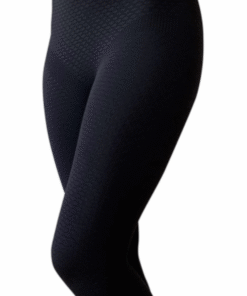
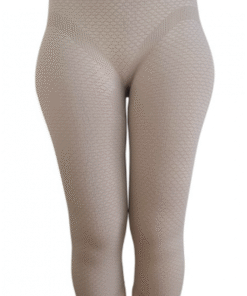
15-20 mmHg (Mild)
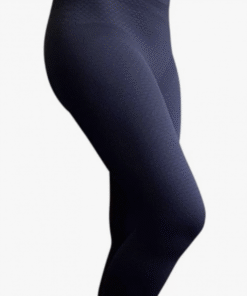
Bioflect® FIR Therapy Lymphedema Micromassage Compression Capri Pants
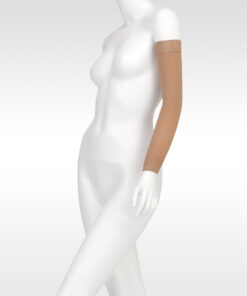

15-20 mmHg (Mild)
Bioflect® FIR Therapy Lymphedema Micromassage Compression Shorts



15-20 mmHg (Mild)
Bioflect® FIR Therapy Micromassage Compression Slimming Vest